
SAT Okuduğunu Anlama:Temel İlkeler
Sayfa 1
SAT Okuduğunu Anlama:Temel İlkeler Anlayışınız Neden Bir Parçayı Daha Az Okursanız İyileştirir
SAT Okuma Testinin üç bölümü, okuma parçalarından önce cümle tamamlama sorularıyla başlar; bir bölüm okuma sorularından oluşmaktadır. SAT Okuma Testindeki pasajların düzeni hakkında size daha iyi bir fikir vermek için, onun üç bölümüne bir kez daha bakalım:
- 25 dakikalık bölüm:8 cümle tamamlama ve 16 okuma sorusu (2 eşli küçük pasaj, 1 uzun pasaj)
- 25 dakikalık bölüm:5 cümle tamamlama ve 19 okuma sorusu (2 küçük pasaj, 2 orta-uzun pasaj)
- 20 dakikalık bölüm:6 cümle tamamlama ve 13 okuma sorusu (1 çift orta-uzun pasaj)
Bu pasajlar öncelikle kurgusal değildir ve çok çeşitli konuları kapsar. SAT'ler balina avı, işyerindeki kadınlar, dini özgürlük ve hatta profesyonel güreş gibi çeşitli pasajları içeriyor. Kelime bilgisi dışında, okuma soruları herhangi bir özel bilgi gerektirmez. Soruları cevaplamak için ihtiyacınız olan tüm bilgiler pasajlarda verilmiştir.
Pasajlar genellikle bir tartışmada veya bir şeyin açıklamasında birinin bakış açısını ifade eder. İngilizce dersinde yaptığınız kurgu okuma türünden farklı olarak, pasajlar çok az "yorum" gerektirir veya hiç gerektirmez. Bunun yerine, asıl göreviniz yazarın argümanını veya açıklamasını veya her neyse onu takip etmek ve pasajın içeriği veya sonuçlarıyla ilgili soruları yanıtlamaktır.
İşte okuma parçalarına ilişkin talimatlar:
Aşağıdaki her pasajı, içeriğiyle ilgili sorular takip eder. Soruları, her pasajda ve sağlanabilecek herhangi bir giriş materyalinde belirtilen veya ima edilenlere göre yanıtlayın.
Gördüğünüz gibi, bu talimatlar basittir. Değişmezler, bu yüzden test sırasında bu talimatları tekrar okuyarak zaman kaybetmeyin.
Dediğim gibi, SAT Okumak Farklıdır
Okumak uzun zaman önce öğrendiğiniz bir beceri gibi görünüyor, ancak SAT okuması okulda her zaman yaptığınız zorunlu okuma türünden veya okul dışında zevk için yaptığınız okuma türünden farklıdır. Bir SAT pasajını, bir ders kitabını veya ödev için bir roman okur gibi okursanız, sınavda başınız büyük, büyük belaya girecek!
Tipik olarak nasıl ve ne okuduğunuzu düşünelim. Okumanızın önemli bir yönü, konu hakkında veya en azından onu yerleştireceğiniz bir bağlam hakkında her zaman arka plan bilgisine sahip olmanızdır. Okuduğunuzda, ya üzerinde çalıştığınız bir konu ya da kişisel ilgi alanınız ya da tür. Ders içinse, kitap veya makale aşina olduğunuz bir konudadır ve öğretmeniniz muhtemelen ana noktaları tartışmıştır. Kişisel zevkiniz için okuyorsanız, muhtemelen zor materyallerle bile oldukça rahatsınızdır.
Tüm bu arka plan bilgilerinin okuduklarınıza ne kadar yol açtığını hafife almayın. Ve bir şeye takılırsanız, sorun değil—gerektiği kadar tekrar okumak için zaman ayırabilirsiniz. Aceleniz yok, bu nedenle ek içgörüler için okuduklarınızı düşünebilirsiniz. Hala kafanız karıştıysa, diğer kaynaklarda veya İnternette ek referanslar veya bakış açıları arayabilirsiniz. Kısacası, normal okumanız için oldukça kolay.
Şimdi SAT'ta nasıl ve ne okuyacağınızı düşünelim. Bir SAT pasajında, anlamanıza yardımcı olacak bağlamdan tamamen ayrılmış, yabancı bir alanda bir alıntı okuyorsunuz. Kafanız karıştıysa, şansınız yaver gitmez:Bir açıklama için başvurabileceğiniz sınıf notları yok, bir sözlük veya dizin ya da açıklama için başka herhangi bir kaynak materyal yok. Bir kelimeyi anlamıyorsan - hey, bakabileceğin bir sözlük veya çevrimiçi ansiklopedi yok. Tabii bir de zaman baskısı faktörü var. Bir pasajı bir kez okuyup yine de soruları cevaplamaya yetecek kadar vaktiniz yok, evde yapabileceğiniz gibi ikinci, hatta üçüncü kez okumak bir yana, çok daha az.
Ve bu sadece bir geçiş için başa çıkmanız gereken şey. Seçimleri doğru bir şekilde okumak, kendi daha da zor zorluklarını sunar.
SAT Geçişi Nasıl Okunmaz?
Pekala, aşağıdakilerden herhangi birinin bir SAT pasajı okuma deneyiminizden tanıdık gelip gelmediğini söyleyin.
İlk paragrafı dikkatlice okudunuz, ancak ilk paragrafın sonunda biraz kafanızın karıştığını fark ediyorsunuz. Cesaretsiz, itiyorsunuz (Hata #1). Metni özenle, cümle cümle kurarak, olabildiğince çok gerçeği anlamaya çalışıyorsunuz. Belki de önemli görünen anahtar kelimelerin veya cümlelerin altını çiziyorsunuz. Mümkün olduğunca ayrıntılı bir anlayış elde etmeye kararlı bir şekilde pasajda inatla ilerliyorsunuz (Hata #2).
Pasaj üzerinde oldukça fazla zaman harcadınız (Hata #3), bu yüzden pasajın sonuna geldiğinizde metnin çoğunu anlamadığınıza ve daha da az hatırlayabildiğinize şaşırıyorsunuz. Evet, ama şimdi zamanınız kısıtlı - tüm pasajı tekrar okuyamazsınız - bu yüzden soruları hızlıca gözden geçiriyorsunuz (Hata # 4).
İşte anlaşma. Kısa bir SAT pasajındaki tüm bilgileri anlamak ve hatırlamak için yeterli zamanınız yok. SAT:Nasıl Kazanılır (veya Kaybedilir) 30 IQ Puanı—Anında!'da tartıştığımız gibi, kısa süreli belleğinizin kapasitesi çok sınırlıdır. Yarım düzine gerçek veya fikirle "dolduğunda" - ilk paragrafta bir süre sonra gerçekleşmesi muhtemeldir - kısa süreli belleğiniz aşırı yüklenir ve düşünme kapasiteniz sıfıra yakın düşer. SAT gibi zamanlı bir testte bir pasajı ayrıntılı olarak anlamak sadece imkansız olmakla kalmaz, aynı zamanda bunu yapmaya çalışmak sadece kafanızı karıştıracaktır. Ayrıca, sorulara harcamak için o zamana ihtiyacınız olacak.
Son derece acele koşullar altında çalıştığınız için, tek umabileceğiniz şey, geçiş hakkında çok genel bir anlayıştır. Neyse ki, çoktan seçmeli bir test size tüm cevapları sağladığından, soruları cevaplamak için ihtiyacınız olan tek şey pasajı üstünkörü anlamaktır. Sonuçta, bir sorunun cevabını bulmak zorunda değilsiniz; sadece seçenekler arasında cevabı tanımanız gerekiyor.
Parçayı hiç okumaya çalışmamanız, bunun yerine doğrudan sorulara geçmeniz önerisini duymuş veya okumuş olabilirsiniz. Bu yaklaşım son derece yanlış - bir okuma bölümünün son birkaç dakikasında zamanınız tükenmiyorsa.
Sayfa 2 Okuma Bölümündeki Asıl Zorluk, Pasajlar Değil, Sorular ve Seçimlerdir
Okuma bölümündeki zorluğun, pasajların ne hakkında olduğunu anlamamaktan kaynaklandığını düşünürdünüz. Aslında, kaçınılabilir hataların çoğu, bir sorunun ne sorduğunu veya bir seçimin ne olduğunu tam olarak anlamamaktan kaynaklanır.
Bu dikkate değer görünebilir. Sonuçta, zor ve bazen uzun bir pasajı anlamakla karşılaştırıldığında basit bir soruyu veya kısa seçenekleri anlamak ne kadar zor olabilir? Bunu şu şekilde düşünün:900 kelimelik bir pasajda tüm bir cümleyi yanlış okur veya yanlış yorumlarsanız, tüm pasajı genel olarak anlamanız muhtemelen ciddi şekilde etkilenmeyecektir. Bununla birlikte, kısa bir soru veya cevap seçiminin anahtar kelimesini bile yanlış okursanız, büyük olasılıkla soruyu yanlış anlarsınız.
The SAT:How Your Brain Can Get You Be Trouble'da kısaca tartıştığımız gibi ve aşağıdaki alıştırmada ilk elden keşfetmek üzereyken, bir seçimin göründüğü gibi değil, gerçekte ne söylediğini okumayı öğrenmeniz gerekir. diyerek!
Pasaj ne kadar kısaysa - ve bazı SAT pasajları 100 kelimeden az olabilir - o kadar dikkatli okumanız gerekir.
Dikkatlice Okuyun, Detayı İnceleyin
A Bölümü: Bireysel seçimleri ne kadar dikkatli okumanız gerektiğini göstermek için, sizin için aşağıdaki tek cümlelik pasajı hazırladım. Burada tahmin etmeyin; gerçekten cevabı bulmaya çalışın - bir daha asla bu kadar kısa bir pasaj görmeyeceksiniz! Acele etmeyin, ancak riske atmayın:cevabı bulduğunuzdan emin olmak için eleme sürecini kullanın. Birden fazla seçenek doğru görünüyorsa, yanıt dışındaki her seçeneği ortadan kaldırmak için bir neden bulana kadar çalışmaya devam edin.
- Galaksimizde
Dünya'dan görülebilen son süpernova,
teleskopun göksel gözlem için ilk kez kullanılmasından
1609'dan yalnızca beş yıl önce gözlemlendi.
- Teleskoplar ilk olarak gök gözlemi için kullanıldı.
- Gökbilimciler teleskop kullanmaya başladığından beri galaksimizde hiçbir süpernova gözlemlemediler.
- Galaksimizdeki son süpernova 1604'te meydana geldi.
- Süpernovalar çıplak gözle Dünya'dan görülebilir.
- Teleskop, son görünür süpernova meydana gelmeden beş yıl önce icat edildi.
Sayfa 3 Dikkatlice Okuyun, Detayı Okuyun
- Galaksimizde
Dünya'dan görülebilen son süpernova,
teleskopun göksel gözlem için ilk kez kullanılmasından
1609'dan yalnızca beş yıl önce gözlemlendi.
- Teleskoplar ilk olarak gök gözlemi için kullanıldı.
- Gökbilimciler teleskop kullanmaya başladığından beri galaksimizde hiçbir süpernova gözlemlemediler.
- Galaksimizdeki son süpernova 1604'te meydana geldi.
- Süpernovalar çıplak gözle Dünya'dan görülebilir.
- Teleskop, son görünür süpernova meydana gelmeden beş yıl önce icat edildi.
B seçeneğini seçtiyseniz - dikkatli olun - pasajı yanlış okudunuz ve tüm seçenekleri dikkate almadınız. Seçim, Dünya'dan hiçbir süpernovanın görünmediğini, ancak gökbilimcilerin uydu tabanlı teleskoplardan süpernovaları gözlemleyebileceğini söylüyor. Bu olasılığı göz önünde bulundurmamış olsaydınız, yine de diğer seçenekler arasında yolunuza devam etmeliydiniz, çünkü D şıkkı kuşkusuz satır aralarını okumaya gerek kalmadan cevaptır.
C seçeneğini seçtiyseniz - dikkatli olun - pasajı yanlış okudunuz ve tüm seçenekleri dikkate almadınız; Ayrıca seçimi yanlış okumuş olabilirsiniz. Seçim, süpernovaların ne zaman meydana geldiğine atıfta bulunurken, pasaj, ne zaman gözlemlendiğine atıfta bulunur. Ayrıca, son süpernovanın ne zaman meydana geldiğini söylemek için galaksimiz hakkında yeterince bilgi sahibi olmamız imkansız olurdu.
D şıkkını seçtiyseniz eleme işlemini doğru yapmışsınız ve cevabı bulmuşsunuzdur. Tebrikler, bu aldatıcı derecede zor bir soruydu. Son süpernova, gece gökyüzünü keşfetmek için teleskopların kullanılmasından beş yıl önce gözlemlendiyse, süpernovalar çıplak gözle açıkça görülebilirdi.
E seçeneğini seçtiyseniz - dikkatli olun - pasajı ve seçimi yanlış okudunuz. Pasaj, teleskopun ne zaman icat edildiğini söylemiyor, tam da astronomik amaçlar için ilk ne zaman kullanıldığını söylüyordu. Ayrıca, benzer bir hata olan C seçimine ilişkin tartışmaya bakın. Ayrıca, seçimin görünen son süpernovaya atıfta bulunduğuna, ancak pasajın galaksimizdeki süpernovalara atıfta bulunduğuna dikkat edin, çok büyük bir fark.
Sayfa 4 B Bölümü: Seçimleri doğru okumak için zaman ayırmanın ne kadar önemli olduğunu anlamak için aşağıdaki soruya bir göz atın. Bu pasaj, gerçek bir SAT'deki daha kısa pasajlardan birinin uzunluğudur.
- Ülkenin sağlık sistemi, stoklarını yenilemek için
bağışçılardan sürekli olarak
yeni kan sağlanmasını gerektirir. Uzun süreli saklama için kanın dondurulması
hassas, pahalı ve zaman alıcı bir süreçtir;
ayrıca, birçok doktor ortaya çıkan ürünün
güvenilmez olduğuna inanmaktadır. Bir plazma
ve besleyici dekstroz (bir şeker) solüsyonunda saklandığında, taze kırmızı
kan hücreleri hayatta kalabilir ve yalnızca altı hafta boyunca
transfüzyon için canlı kalabilir.
- Gelecekteki transfüzyonlar için kan hazırlamak ve depolamak için ek tesisler oluşturulmalıdır.
- Özel saklama prosedürleri olmadan kırmızı kan hücreleri insan vücudunun dışında uzun süre yaşayamaz.
- Kamuya, yalnızca kriz zamanlarında başvurulmakla kalmayıp, kan bağışının gerekliliği sık sık hatırlatılmalıdır.
- Ülkenin kan stoku tehlikeli derecede düşük ve acilen bağış yapılması gerekiyor.
- Ülkenin kan stoku ortalama olarak altı haftada bir tükeniyor.
Bu tatbikatı zor bulduysanız, cesaretiniz kırılmasın. Bunu, birkaç kelimenin bile görünen basitliğine aldanmanın ne kadar kolay olduğunun altını çizmek ve neden pasaj yerine sorular üzerinde yavaşlamanız gerektiğini göstermek için tasarladım.
Sayfa 5 Durmak. İkinci pasajdaki soruyu tamamlamadan aşağıdaki tartışmayı okumayın.
- Ülkenin sağlık sistemi, stoklarını yenilemek için
bağışçılardan sürekli olarak
yeni kan sağlanmasını gerektirir. Uzun süreli saklama için kanın dondurulması
hassas, pahalı ve zaman alıcı bir işlemdir;
ayrıca, birçok doktor ortaya çıkan
ürünün güvenilmez olduğuna inanmaktadır. Bir plazma
ve besleyici dekstroz (bir şeker) solüsyonunda saklandığında, taze kırmızı
kan hücreleri hayatta kalabilir ve yalnızca altı hafta boyunca
transfüzyon için canlı kalabilir.
- Gelecekteki transfüzyonlar için kan hazırlamak ve depolamak için ek tesisler oluşturulmalıdır.
- Özel saklama prosedürleri olmadan kırmızı kan hücreleri insan vücudunun dışında uzun süre yaşayamaz.
- Kamuya, yalnızca kriz zamanlarında başvurulmakla kalmayıp, kan bağışının gerekliliği sık sık hatırlatılmalıdır.
- Ülkenin kan stoku tehlikeli derecede düşük ve acilen bağış yapılması gerekiyor.
- Ülkenin kan stoku ortalama olarak altı haftada bir tükeniyor.
B seçeneğini seçtiyseniz - dikkatli olun - seçimi yanlış okudunuz ve tüm seçenekleri dikkate almadınız. Geçit, kanın uzun süre hayatta kalamayacağını söylüyor; pasaj, kanın varlığının sona erdiğini söylemez. Gerçekten de, sağduyu bize kanın uzun süredir var olduğunu söyler (bir kan lekesini düşünün), ancak kan transfüzyonlar için uzun süre canlı kalmaz.
C şıkkını seçtiyseniz, eleme işlemini doğru kullanmış ve cevabı bulmuşsunuzdur. Tebrikler, bu da aldatıcı derecede zor bir soruydu. Kan sınırlı bir süre için transfüzyon için uygun kalırsa, halk kan stoklarını sürekli olarak yenilemelidir.
D şıkkını seçtiyseniz - dikkatli olun - pasajı yanlış okudunuz. İlk cümle, ulusun sürekli olarak yeni kan tedarikine ihtiyacı olduğunu söylüyor; pasaj, mevcut arzın yetersiz olduğunu söylemez.
E seçeneğini seçtiyseniz - dikkatli olun - pasajı yanlış okudunuz. Pasaj, çözeltideki kanın sadece altı hafta boyunca canlı kaldığını söyledi. Yeni kan bağışlanmasaydı, kan stoku bugünden altı hafta sonra tükenecekti.
Sayfa 6 Eski Alışkanlıkları Unutup Yeni Alışkanlıkları Edinerek Puanınızı Artırın
Puanınızı değiştirmek için sınava girme şeklinizi değiştirmeniz gerektiğini biliyorsunuz. Okuma parçalarına yaklaşma şeklinizi değiştirmek, muhtemelen cümle tamamlamaya yaklaşma şeklinizi değiştirmekten daha zor olacaktır. Okuma alışkanlıklarınız son on yılda veya daha fazla sürede oluştu ve muhtemelen okulda size iyi hizmet etti. Ancak bu aynı alışkanlıklar, SAT Okuma Testinin taleplerine uygun değildir. Yine de, bu bölümdeki ve sonraki bölümlerdeki yeni tekniklerin kullanımını uygulayarak SAT için yeni okuma alışkanlıkları geliştirebilirsiniz.
Okuma sorularında zaten yüksek puanlar alıyorsanız (örneğin, zamana bağlı koşullar altında tüm testte bir veya iki okuma hatası) genel yaklaşımınızı değiştirmeyin; açıkça işinize yarıyor. Yine de bu makaledeki teknikler repertuarınıza eklenebilir. Bu nedenle, okuma sorularında sürekli olarak mükemmel veya mükemmele yakın bir puan elde edene kadar, bu yeni teknikleri benimsemeniz gerekir.
Benden Sonra Tekrar Edin:Geçitten Hızlıca, Sorulardan Yavaşça
Çoğu öğrenci, sorular için yeterli zaman bırakmadan, pasajlarda olması gerekenden çok daha fazla zaman harcar. Anahtar, soruları dikkatli bir şekilde çözmek için yeterli zamanınız olması için, bir pasajı ilk okumanızı mümkün olduğunca çabuk tamamlamaktır. Soruları cevaplarken, bir ayrıntıyı doğrulamak veya bir noktayı netleştirmek için bir pasajı sık sık tekrar okumanız gerekecek, ancak pasajı ilk okumanız hızlı olmalıdır.
Amacınız bir veya iki ana fikir için bir pasajı hızlı bir şekilde okumak, ardından soruları ve seçenekleri çok, çok yavaş okumak! Orta uzunlukta (500 kelimelik) bir pasaj için sekiz dakikanız ve ardından altı soru kaldıysa, pasajı iki dakika veya daha kısa sürede tamamlamaya çalışmalısınız, böylece sorular için altı dakikanız olacak. Genel bir kural olarak, her soru için ortalama en az bir dakikanız olacak şekilde kendinizi hızlandırın. Bir pasajı okumak veya soruları analiz etmek ve cevaplamak için genellikle bundan daha fazla zamana ihtiyacınız varsa, bazı boşluklar bırakmanız gerekir.
Boşluk bırakmaktan daha sonra bahsedeceğiz. Buradaki kilit nokta, pasajda hızlanmanın ve sorularda yavaşlamanın önemini fark etmektir.
Daha önce de söylediğim gibi, pasaj ne kadar kısa olursa, o kadar dikkatli okumalısınız. Aslında, paradoksal olarak, 150 kelimelik, tek paragraflık bir pasajı okumak için 450 kelimelik, üç paragraflı bir pasajı okumaktan daha fazla zaman harcamanız gerekebilir.
Kısaca Pasajlara Yaklaşımımız
Nihai amacınız soruları cevaplamak olduğundan, pasaj üzerinde mümkün olduğunca az ve asıl sorular üzerinde mümkün olduğunca fazla zaman harcamak isteyeceksiniz. Bir pasajı okumaya ve sorularını yanıtlamaya yönelik genel yaklaşımımız kısaca şöyledir:
- 1. Adım: Ana fikrine ulaşana kadar pasajı yavaşça okuyun, ardından pasajın geri kalanını olabildiğince çabuk geçin.
2. Adım: Mümkün olduğunca, kendinizi belirli gerçekleri ve ayrıntıları gözden geçirmeye zorlayın.
3. Adım: Pasajın ikincil bir fikri olabilir, ancak şimdi birincil hedefiniz pasajın organizasyonu hakkında bir genel bakış elde etmektir (her paragrafın ana fikri geliştirmesinin temel yolu).
4. Adım: Sorulara olabildiğince çabuk ulaşın ve agresif eleme sürecini kullanarak seçenekler arasında yolunuzu kesin. Çöpçü, ayrıntıları doğrulamak için sık sık geçidi arar.
Size tam uzunlukta bir SAT pasajı ve soruları vererek sizi derinlere götürmeden önce, yukarıdaki ilk iki adımdan bahsetmek istiyorum.
Sayfa 7 1. Adım:Yazarın Ana Fikrini Belirlenene Kadar Yavaşça Okuyun
Hiç şüphe yok ki, pasajları yavaş bir hızda okumak için SAT'da yeterli zamanınız yok. Bölümleri istediğinizden daha hızlı okumak için kendinizi zorlamanız gerekecek.
Şimdi, hızlı okumanız gerektiğini söylediğimde, tüm bir pasajı aynı hızla gözden geçirmeye çalışmanız gerektiğini söylemiyorum. Şaşırtıcı bir şekilde, yetenekli okuyucular, birkaç önemli fikir üzerinde vasıfsız okuyuculardan daha yavaş okurlar ve yetenekli okuyucular, daha az önemli ayrıntıların daha büyük kütlesini çok daha hızlı okuyarak kaybedilen zamanı telafi eder. Bu biraz yarış arabası sürmeye benziyor:Tehlikeli virajlarda ne zaman yavaşlamanız gerektiğini bilmek ve sonra arabanın düzlüklerde yırtılmasına izin vermek.
Özellikle Her Pasajın Dört Anahtar Cümlesine Odaklanın
Konusu ne olursa olsun, SAT okuma pasajlarının ana fikri neredeyse her zaman dört kilit yerden birinde bulunur. Muhtemelen "konu cümleleri" kavramına aşinasınızdır ve bu kavram bizim için de yararlıdır. Her paragrafın ilk ve son cümleleri paragrafın içeriğini özetleme eğilimindedir. Bununla birlikte, bir bütün olarak pasaj için ana fikri nerede bulabiliriz?
Bir pasajın ana fikri muhtemelen ilk paragrafın ilk veya son cümlesinde veya ikinci paragrafın ilk cümlesinde yer alacaktır. Parçanın ana fikri genellikle pasajın son cümlesinde tekrarlanır.
Başka bir deyişle, ikinci paragrafın ilk cümlesini tamamladığınızda, pasajın ana fikrini zaten biliyor olmalısınız ve okuma hızınızı önemli ölçüde hızlandırmaya hazır olmalısınız.
Yazarın Fikrini "Diğer İnsanların" Düşündüklerinden -Geleneksel Bilgelikten Ayırdığınızdan Kesinlikle Emin Olun
Yazarın ana fikrini bulmanın tehlikelerinden biri, SAT'de pasajların genellikle yazarın inancıyla değil, daha çok geleneksel bilgelik olarak da bilinen diğer insanların ne düşündüğüyle başlamasıdır. SAT'ınızdaki pasajların çoğu, kesinlikle gerçek pasajlar değil, "görüş" pasajları olacaktır. Yazar genellikle bir konu hakkında fikrini sunar ve ardından onu destekler. Bununla birlikte, yazar kendi görüşünü sunmadan önce, genellikle geleneksel bilgeliği veya konunun "diğer tarafını" sunar.
Bir düşünün:Yazar diğer insanların düşündükleriyle aynı fikirde olsaydı, pasajı yazmanın anlamı ne olurdu? SAT'de asla aşağıdaki gibi bir cümleyle başlayan bir pasaj bulamazsınız:"Çoğu teknoloji tarihçisi diferansiyel dişlilerinin mekanizmasının nispeten modern olduğuna inanır - ve hey, bence haklılar." Yazar, geleneksel bilgeliğe tamamen katılmayabilir, ancak bakış açısı farklı olacaktır.
Dikkatli bir şekilde okumalısınız - özellikle ilk paragraf - çünkü özellikle yazar, pasaj ilerledikçe ikisi arasında ileri geri gittiğinde, geleneksel bilgeliği yazarın bakış açısıyla karıştırmak kolaydır.
Yazar genellikle karşı tarafı geniş bir gruba (bilim adamları, tarihçiler, eleştirmenler, sanatçılar, eğitimciler, filozoflar, rock müzisyenleri) atfedilen kapsamlı bir ifadeyle tanıtacaktır. İşte yazarın yalnızca bir şekilde karşı çıkacağı ortak bakış açısını dile getirdiğini gösteren açıklayıcı ifadeler:geniş çapta düşünülmüş, yaygın olarak inanılmış, sıklıkla ileri sürülen, önceden tahmin edilmiş, tek bir yaklaşım, biraz his.
Yine, bu listeyi ezberlemeniz gerektiğini düşünmeyin. Biraz pratik yaparak yazarın kendisi için mi yoksa "karşı taraf" için mi konuştuğunu anında fark edebileceksiniz.
İşin zor yanı, yazarın bunu yaptığını açıkça belirtmeden geleneksel bilgeliği ifade ediyor olabilmesidir. Aşağıdaki pasajı dikkatlice okuyun ve yazarın kendi görüşünü hangi cümlelerde ve diğer tarafın hangi cümlelerde tartıştığını belirleyip belirleyemeyeceğinize bakın:
- Genellikle, hükümetin banka mevduatlarını
sigortasının onları daha güvenli hale getirdiği varsayılır. Banka, müşteri
mevduatlarını geri ödenmeyen riskli kredilere yatırarak
bir şekilde başarısız olursa,
hükümet kaybedilen fonları düzeltecektir. Böylece
, halkın kendisini
finansal paniğin pençesinde bulmayacağı ve
bankada Büyük Savaş sırasında
meydana geldiği gibi
paralarını geri talep etmek için "kaçışlar" yaratmayacağına dair güvence verildi. 1930'larda depresyon.
Bununla birlikte, ironik bir şekilde, bu
"koruma" algısı, bankaları, aksi takdirde yapacaklarından çok daha riskli
krediler vermeye teşvik eder, böylece
feci banka başarısızlıkları
olasılığını artırır. Son tahlilde, banka mevduat sigortası
kamunun finans kurumlarımıza olan güvenini desteklemek yerine
zayıflatabilir.
- Hükümetin banka mevduatlarını sigortalamasının istenmeyen sonuçları olabilir.
- Banka mevduatları sigortalı olduğundan, gelecekte finansal panikler ve banka kaçışları yaşanması olası değildir.
- Hükümet uygun adımları atmış olsaydı Büyük Buhran önlenebilirdi.
- Hükümet, müşteri mevduatını güvence altına almak için daha büyük adımlar atmalıdır.
- Bankalar, geri ödenmeyebilecek krediler vererek müşteri mevduatını riske atmamalıdır.
- Genellikle, hükümetin banka mevduatlarına yönelik
sigortasının onları daha güvenli kıldığı varsayılır. Bunun
olduğu varsayılmıştır banka müşteri mevduatlarını
geri ödenmeyen riskli kredilere yatırarak
başarısız olursa, hükümet kaybedilen fonları
düzeltecektir. Bunun olduğu varsayılır bu şekilde güvence altına alındığında,
halk kendisini mali
paniğin pençesinde bulmayacak ve Büyük Buhran sırasında olduğu gibi
paralarını geri talep etmek için bankada "kaçışlar" yaratmayacak
.
Tekrar ediyorum:Yazarın bakış açısını tam olarak anlayana kadar yavaş ve dikkatli bir şekilde okuyun. Bir paragrafı okurken hangi tarafla -yazarın ya da diğerinin- ilgilendiğiniz konusunda net değilseniz, yazarın argümanının trenini kaybedersiniz.
Eğer pasaj uzlaşım anlayışı ile başlıyorsa, yazarın ana fikri büyük ihtimalle ya birinci paragrafın son cümlesinde ya da ikinci paragrafın ilk cümlesinde yer alacaktır. Cümle genellikle ama gibi bir yön değiştirme sözcüğü içerecektir. , gerçi veya ancak .
Sayfa 8 İlk Paragraf Üç Yoldan Biriyle Açılacaktır
SAT pasajlarının yüzlerce olası açıklığı olabileceğini düşünürdünüz. Ancak şaşırtıcı bir şekilde, herhangi bir SAT pasajının ilk cümlesi için üç varyasyondan birine güvenebilirsiniz. In order of likelihood, here are the three possibilities for the first sentence of every SAT passage:
Opening Variation #1: The first sentence will set out the conventional wisdom. You already know that if this is the case, the main idea will almost certainly appear in the last sentence of the first paragraph or the first sentence of the second paragraph.
Opening Variation #2: The first sentence will be an introductory statement providing background for the topic. The main idea will occur anywhere in the first paragraph, probably in the last sentence. If a question is asked in the first paragraph, the main idea will be the answer to that question.
Opening Variation #3: The first sentence will articulate the author's main idea. The rest of the first paragraph will go on to elaborate on that idea. Sometimes the author then contrasts his main idea with the conventional wisdom before returning to develop his idea with details and examples.
Once you've "gotten a fix" on the opening paragraph and the author's main idea, you'll have a much easier time following the rest of the passage as it unfolds.
If You're Confused by the End of the First ParagraphStop!
Sometimes you'll come across a passage so difficultor poorly writtenthat you're confused way before you even reach the second paragraph. You may think that if you continue reading, sooner or later the passage will begin to make sense. Unfortunately, what usually happens is that you become even more confused.
It's absolutely crucial that you come to grips with the main idea of the passage. Until you do, the details won't make much, if any, sense. Since the author frequently sums up his or her point in the last sentence or two of the passage, go directly to the last paragraph. By reading the last few lines carefully, you should get a much better grasp of the author's main idea.
If you don't understand the first paragraph, immediately skip down to the final paragraph and read the last sentence carefully. Once you've gotten a handle on the main idea, return to the first paragraph and proceed with the rest of the passage. Now the text should make a lot more sense.
Step 2:Once You've Identified the Main Idea, Speed Up and Force Yourself to Ignore the Details
No question about it, skimming a passage under time pressure is uncomfortable and sometimes quite scary. (Like many other things about taking the SAT, the best way is often the scariest if it weren't scary, many more students would be achieving outstanding scores, as we discussed in Knowing What to Do on the SATand Being Able to Do It).
So you have to train yourself not to pay attention to the details, because your natural inclination will be to try to absorb as much as possible, and probably underline the material you can't absorb.
Big mistake. As we've discussed at length, your short-term memory can handle only so much before it gets overwhelmed and short-circuits your ability to think. What's more, a typical passage on the SAT contains dozens if not hundreds of factsand yet the number of factual questions on a passage will be at most eight. In other words, most of the facts in an SAT passage are completely unrelated to any questions you have to answer. Remember, too, that when you get to the questions, you can always look back to the passage to find any fact or detail you need to verify.
A helpful mindset to adopt is to think of reading an SAT passage in the same way you would listen to a long-winded friend who blathers on and on until you want to scream out in exasperation, "Could you please get to the point?!"
Important facts and secondary ideas are often found in sentences that contain direction reversal words. By far the most common such word on the SAT is but . Other words include although, despite, except, however, though, and yet . Whenever you see one of these words in a passage, circle the wordthe sentence may come in handy when you reach the questions.
Underline as You Read Sparingly Only, If at All
You know you're getting lost in the details if you find yourself underlining every other phrase or sentence. These are precisely the things that clog up your short-term memory and clog your brain. If underlining helps you focus while you read, finebut try to keep it to a minimum. And whatever you do, don't waste time wondering whether you should underline something or not. The clock's ticking. Underline it or not, but keep moving.
Take a Long Breath NowI'm Throwing You into the Deep End
We'll examine our basic approach in more detail shortly. Before we do, I want you to complete the next drill. The following passage is typical of the subject matter and of the kinds of questions you can expect on the SAT. You'll have 12 minutes to read the passage and answer the questions. The passage is long, and of medium-to-hard difficulty. Longer passages on the SAT contain more details than do the shorter passages, but they rarely contain more ideas.
The longer SAT passages may be preceded by a brief italicized introduction. This two- or three-sentence preface contains background information about the author or the passage to place the excerpt in a context for you.
You may be tempted to skip a passage's introduction "to save time." Yapma. No questions will be asked about the introduction, but you can scan it in a few seconds and the background it provides may offer you a useful insight.
Page 9 Sample Passage Drill:12 Minutes
To get the most out of this, it's important that you appreciate the difficulties of reading on the SAT. To experience these difficulties, you'll have to set aside some time and complete the following drill at a desk as you would on the actual exam. And no, it's not the same thing to do this drill reading comfortably on your bed while listening to some MP3 tunes you've downloaded.
This passage is slightly more difficult than average, though some of the questions are quite difficult. Do the best you can; you're just getting warmed up to the reading techniques.
Time yourself using OmniProctor.
The following excerpt is from a book by Umberto Eco, an internationally renowned scholar and prolific Italian author (nonfiction as well as bestselling fiction).
(5) I frequently feel irritated when I read essays on
the theory of translation that, even though brilliant
and perceptive, do not provide enough examples. I
think translation scholars should have had at least
one of the following experiences during their life:
(10) translating, checking and editing translations, or
being translated and working in close cooperation
with their translators. As an editor, I worked for
twenty years in a publishing house. As a translator,
I made only two translations of others works,
(15) which took me many years of reflection and hard
work. As an author, I have almost always
collaborated with my translators, an experience
that started with my early essays and became more
and more intense with my four novels. Irrespective
(20) of the fact that some philosophers or linguists
claim there are no rules for deciding whether one
translation is better than another, everyday activity
in a publishing house tells us that it is easy to
establish that a translation is wrong and deserves
(25) severe editing; maybe it is only a question of
common sense, but common sense must be respected.
Let us suppose that in a novel a character says,
"You're just pulling my leg." To render such an
tu stai menandomi per la gamba would be literally
correct, but misleading. In Italian, one should say
mi stai prendendo per il naso, thus substituting an
English leg with an Italian nose. If literally
(35) translated, the English expression, absolutely
unusual in Italian, would make the reader suppose
that the character (as well as the author) was
inventing a provocative rhetorical figure; which is
completely misleading, as in English the expression
(40) is simply an idiom. By choosing "nose" instead of
"leg," a translator puts the Italian reader in the
same situation as the original English one. Thus,
only by being literally unfaithful can a translator
succeed in being truly faithful to the source text.
(45) Which is like echoing Saint Jerome,* patron saint
of translators, that in translating one should not
translate verbum e verbo sed sensum exprimere de
sensu (sense for sense, and not word for word),
even though the notion of the right sense of a text
(50) can imply some ambiguities.
In the course of my experiences as a translated
author, I have always been torn between the need
to have a translation that respected my intentions
and the exciting discovery that my text could elicit
improved when it was re-embodied in another
language. What I want to emphasize is that many
concepts circulating in translation studies (such as
adequacy, equivalence, faithfulness) can also be
(60) considered from the point of view of negotiation.
Negotiation is a process by virtue of which, in
order to get something, each party renounces
something else, and at the end everybody feels
satisfied since one cannot have everything.
(65) Between the purely theoretical argument that,
since languages are differently structured,
translation is impossible, and the commonsensical
acknowledgement that people, after all, do translate
and understand each other, it seems to me that the
(70) idea of translation as a process of negotiation
between author and text, between author and
readers, as well as between the structure of two
languages and the encyclopedias of two cultures is
the only one that matches our experience.
* A Catholic monk and scholar (342-420) who translated the Old Testament from the ancient Hebrew to the then-contemporary Latin
- In lines 3–8 ("I think translation . . . translators."), the author expresses the opinion that translation scholars
- should have practical experience in their field
- should have open minds about the opinions of others
- are brilliant and perceptive, if somewhat academic
- should be less concerned with theories of translation
- should have more than one degree, and ideally in different fields
- In lines 8–15 ("As an editor . . . novels."), the author
- displays the scope of his erudition on multiple topics
- reveals conflicting attitudes about the work of translators
- elaborates on the source of his irritation with theories of translation
- summarizes the breadth of his background and perspectives on the subject
- confesses that he lacks the academic qualifications of typical translation scholars
- In lines 25–28 ("To render such . . . misleading."), the author says that it would be misleading to so translate the English statement because
- in Italian there are two equally valid ways of translating the words
- the word-for-word translation would not have the same sense
- an English character would not speak in Italian
- in Italian there is no equivalent idiom
- the Italian translations use far more words than does the original version
- In line 34, "figure" most nearly means
- body
- thought
- picture
- character
- expression
- In lines 38–40 ("Thus, only by . . . text."), the author
- raises a question
- employs an idiom
- poses a paradox
- proves a theory
- introduces a metaphor
- In referring to the "ambiguities" (line 46), the author
- admits that two translators might very well differ regarding their determination of the sense of a text
- points out that words can often have more than one meaning
- criticizes translators who offer only one version of a work
- rejects the commonsensical notion that literal translations are ineffective
- anticipates the possible objection that translations cannot be as clear as the original work
- What is the author's view of the concepts mentioned in lines 53–56?
- These concepts are not useful in understanding the translation process
- These concepts are theoretical, and refer to things that do not actually exist
- These concepts do not adequately reflect the tradeoffs translators must weigh in practice
- These concepts are outdated, and should be replaced by new ones
- These concepts unnecessarily distort the meaning of translations
- It can be inferred that the author mentions "encyclopedias" (line 69) rather than dictionaries because unlike dictionaries, encyclopedias
- are revised frequently, making them more up-to-date
- are compilations of contributions from individual experts in many fields
- do not contain literal definitions of words, making them more reliable
- contain cross-referenced indexes, affording translators easy comparisons
- contain the cultural contexts and connotations of the original and the new language
- Based on the passage as a whole, the author's approach towards translation, as contrasted with that of theoretical translation scholars, can best be characterized as
- mercenary
- untenable
- literal
- pragmatic
- rhetorical
You'll find the answers to these questions on the next page.
Page 10 Answers to the Sample Passage Drill
- In lines 3–8 ("I think translation . . . translators.") the author expresses the opinion that translation scholars
- should have practical experience in their field
- should have open minds about the opinions of others
- are brilliant and perceptive, if somewhat academic
- should be less concerned with theories of translation
- should have more than one degree, and ideally in different fields
- In lines 8–15 ("As an editor . . . novels."), the author
- displays the scope of his erudition on multiple topics
- reveals conflicting attitudes about the work of translators
- elaborates on the source of his irritation with theories of translation
- summarizes the breadth of his background and perspectives on the subject
- confesses that he lacks the academic qualifications of typical translation scholars
- In lines 25–28 ("To render such . . . misleading.") the author says that it would be misleading to so translate the English statement because
- in Italian there are two equally valid ways of translating the words
- the word-for-word translation would not have the same sense
- an English character would not speak in Italian
- in Italian there is no equivalent idiom
- the Italian translations use far more words than does the original version
- In line 34, "figure" most nearly means
- body
- thought
- picture
- character
- expression
- In lines 38–40 ("Thus, only by . . . text."), the author
- raises a question
- employs an idiom
- poses a paradox
- proves a theory
- introduces a metaphor
- In referring to the "ambiguities" (line 46), the author
- admits that two translators might very well differ regarding their determination of the sense of a text
- points out that words can often have more than one meaning
- criticizes translators who offer only one version of a work
- rejects the commonsensical notion that literal translations are ineffective
- anticipates the possible objection that translations cannot be as clear as the original work
- What is the author's view of the concepts mentioned in lines 53–56?
- These concepts are not useful in understanding the translation process
- These concepts are theoretical, and refer to things that do not actually exist
- These concepts do not adequately reflect the tradeoffs translators must weigh in practice
- These concepts are outdated, and should be replaced by new ones
- These concepts unnecessarily distort the meaning of translations
- It can be inferred that the author mentions "encyclopedias" (line 69) rather than dictionaries because unlike dictionaries, encyclopedias
- are revised frequently, making them more up-to-date
- are compilations of contributions from individual experts in many fields
- do not contain literal definitions of words, making them more reliable
- contain cross-referenced indexes, affording translators easy comparisons
- contain the cultural contexts and connotations of the original and the new language
- Based on the passage as a whole, the author's approach towards translation, as contrasted with that of theoretical translation scholars, can best be characterized as
- mercenary
- untenable
- literal
- pragmatic
- rhetorical
Discussion: This was an easy question. Some students select choice B. Of course everyone should have an open mind about the opinion of others; unfortunately, this is beside the point the author is making in these lines.
Discussion: This was a relatively easy question. Some students select choice B, but the author does not say and does not imply that he has conflicting attitudes about translation. Consider why the author is mentioning his background. He begins the passage by teasing translation scholars for not having any practical experience in translating (the subject of question 1). He cites his own background, then, to demonstrate that he has plenty of experience translating.
Discussion: This was a relatively easy question. Some students select choice A which is a true statement, but which does not answer the question!
Discussion: This was a medium question, although many students get snookered by choice C. If we convert the question into a sentence completion, with the word "figure" as the blank, the answer becomes fairly obvious. If we refer back to the passagewhich you should do as often as necessary, especially on this type of questionwe see that the author mentions "inventing . . . a figure." There's only one choice that can be invented:an expression.
Discussion: This was an extremely difficult question. Some students select choice A, but the author does not raise any questions with this statement (though of course anything anyone says can raise a question in somebody's mind). Many students select choice D, but this choice is far too extreme. The author of any passage can make a case for his or her point of view, but he or she can't prove it. Even though the answer contains a moderately difficult wordparadoxstudents who use process of elimination rigorously are able to identify the answer even without knowing the meaning of the answer. (A paradox is a seemingly contradictory statement that may in fact be true; a self-contradictory yet possibly true statement.)
Discussion: This was a difficult question. Some students select choice E but the author is not discussing whether or not translations can be as clear as the original works on which they are based. Many students select choice B, which does seem to answer the question. While ambiguous words do have more than one meaning, that is not why the author refers to ambiguities. If we refer back to the passagewhich again we should do frequentlywe see that the author first claims that translators should focus on the sense of the work's words rather than their literal meaning. The author then says that these senses might involve some ambiguities, not the words meanings.
Discussion: This was a very difficult question. Many students were attracted to choices A and B. Choice A is too extreme. The author does not say that these choices are not useful; if he did, he would say that they should be scrapped altogether. Choice B is incorrect because although the concepts themselves are theoretical, they refer to aspects of the translation process that do exist.
Discussion: This was a fairly difficult question. Some students select choice B, but while this choice is true, it does not answer the question! Many students choose choice Cperhaps because they are attracted to the word "literal" in this choicebut C is wrong on at least two counts. First, encyclopedias do contain literal definitions of words. Second, this choice misses the point of the passage, which is that translators need to consider numerous aspects of the original and new languages. Encyclopedias are more likely to contain different perspectives than are dictionaries, which are primarily confined to definitions.
Discussion: The difficult vocabulary words in the choices made this a fairly difficult question. Choice C was probably the easiest of the choices to eliminate because the author was arguing against literal translations. If you weren't sure of the definitions of the other choices, you should still have guessed among them. Remember that every blank you leave lowers your potential maximum score by 10 points. The answer, pragmatic, is an important SAT word, and means practical. Mercenary means motivated by money (which, if you knew what it meant, you should have eliminated). Untenable means unjustified or hard to maintain (which, if you knew what it meant, you should have eliminated). Rhetorical means relating to the use of language, especially persuasive language (which, if you knew what it meant, you should have eliminated).
Summary: As I mentioned, this passage was slightly harder than average but some of the questions were extremely difficult. As a rough performance measure for this passage only use the following formula:
Reading Score =800 – 60 (blanks) – 70 (errors)
So someone who left two questions blank and got two wrong would lose 120 points for the blanks and 140 points for the errors, for a roughvery roughscore of 540.
Page 11 Step 3:Once You've Identified the Main Idea, Focus on How Each Subsequent Paragraph Develops That Main Idea
In the first step you identified the main idea of the passage. This should have occurred by the end of the first paragraph, or by first sentence of the second paragraph at the absolute latest.
In the second step you then picked up the pace, forcing yourself to ignore the details as much as possible. The passage might have a second major idea, but on the SAT such passages are rare. You're underlining very little if at all, but you re circling words like but, although, and however if you encounter them; sentences that contain those words often come in handy later.
Now, in the third step, your goal is to see what the main idea of each paragraph is; its function in the overall passage. Each paragraph will develop the author's main idea in some way, and the only thing you care about nowbefore you get to the questionsis how each paragraph as a whole fits in to the passage as a whole.
An SAT Passage Can Unfold in Only So Many Ways
Under the previous step we discussed the role of the opening paragraph of an SAT passage as either presenting the main idea itself or setting up the main idea, in which case the main idea would occur in the first sentence of the second paragraph.
After the passage states the main idea, the main idea will be elaborated or supported. The author can elaborate or support the main idea in various ways, including the following:
- defining a key term
- providing details
- offering examples
- comparing a related idea
- quoting an expert
After the author supports the main idea, be alert for any opposing ideas orespeciallyqualifications. An idea is qualified when its scope is limited, such as when exceptions to the idea are pointed out. Qualifications to the main idea will almost always be introduced with the direction reversal words we discussed earlier, "but" being the most common, followed by words like although, despite, except, however, though, and yet . Qualifications are also sometimes introduced with words and expressions like of course, admittedly, not the only, and so forth.
The passage will not always qualify the main idea of the passage, but it often does. So, after the passage states the main idea and supports it, and then possibly qualifies it, how else can the main idea be developed; where else can it go?
The final way the main idea may be developed is by extending or applying the idea into another area, to show the idea's significance or wider relevance. The main idea is applied when the author answers the further question, So what?
The basic format of all SAT passages, then, is simple:introduce the main idea (possibly with the conventional wisdom); elaborate and support the main idea with details and examples; and then possibly qualify the main idea or apply it.
Following the Development of a Passage:An Illustration
The next passage illustrates a wide range of development techniques. Before reading the discussion below the passage, try to determine how each sentence moves the passage forward.
- In the past, how has one civilization conquered
another? Many historians have concentrated on
the technological superiority of one side over the
other's. Undoubtedly, technological advances such
as the development of metal weapons or gunpowder
or even the stirrup for horses enabled one
civilization to defeat another.
But the conquering side often had invisible
allies, too. Europeans took over the North
American continent from the native population as
much by introducing not always unwittingly
microbes and viruses into a populace that had no
immunity to them, as by their muskets and other
technologically advanced weapons. A growing
acknowledgement among historians of the role of
this phenomenon will undoubtedly lead to a radical
reinterpretation of many historical events.
Discussion: The first sentence is a rhetorical question that is answered in the second sentence by the introductory statement. The third sentence supports the introductory statement with two examples (metal weapons and gunpowder). The fourth sentence contradicts the introductory statement with opposing idea (invisible allies). The fifth sentence qualifies the opposing idea by saying that both factors (technological superiority and invisible microbes) can answer the initial rhetorical question, and that many historians were not completely mistaken. The sixth and final sentence applies the main idea to the larger scope of history in general.
If You Can, Anticipate the Passage's Likely Development
One way to stay actively engaged in the passage is to anticipate how it is likely to develop. For example, if a question is asked in the passage, we would expect an answer to follow. A problem stated in one paragraph should be followed by a solution in the next paragraph. A general statement should be followed by an example.
You won't always anticipate the development correctly, but that doesn't matter. What's important is that you think as you read. Apart from thinking being a good idea on its own, thinking as you read prevents you from overloading your short-term memory with details because your brain is already occupied.
Page 12 Writing IM (Instant Message) Summaries to Yourself Can Be Helpful
You know you shouldn't underline details on the SAT as you read, but if you're used to writing margin notes in the books you read for schoolan outstanding practice that I highly recommendthis next technique may appeal to you.
When you read the newspaper, most articles start off with a main headline that summarizes the entire article. Every few paragraphs you will often see a sub headline that summarizes the next few paragraphs. If you were to read only those headlines, you'd understand the gist of the entire article without getting swamped by all the details.
Unfortunately, SAT passages don't come with helpful titles or subtitles, but you can write them yourself. I call these IM Summaries to emphasize that you should keep them super-short, as if you were writing a text message to a friend.
Keep it brief. Your IM summaries don't need to be grammatically correct, and of course you should abbreviate as much as possible. Your IM summaries are for your benefit; it's not like anyone else will read them.
Creating these IM summaries is an active process that forces you to come to grips with the main idea of each paragraph. Many students find that this process helps them focus and helps them ignore the details (which won't help you write a summary).
If you have trouble summarizing a paragraph, you're reading the text too closely and getting lost in the details. In other words, read only enough of a paragraph to summarize its contents. As soon as you've read enough of a paragraph to write an IM summary, jump to the next paragraph and continue the process. Get to the questions; get to the questions.
IM Summary Drill
In the sample passage you just read, create IM summaries for each of the three paragraphs. Try to create your summaries without rereading the entire passage, which would defeat the point. You'll find my summaries on the last page of this article.
The Fourth and Final Step:Answering the Questions
The first three steps of our approach to the reading passages and questions are designed to let you extract the gist of the passage as quickly as possible so that you'll be prepared to spend most of your time on the questions.
After we finish discussing our process of elimination techniques, we'll discuss the minor modifications we need to make to our general method for special situations. Finally, we'll consider how to manage your time to maximize the number of questions you're able to answer correctly.
Take a Break from the Reading Section for Now
We've covered a lot of ground in this article so you've earned a breather. If you'd like to do more work today, I'd recommend switching to a different SAT subjectmath, vocabulary, whateverbut give the basic reading concepts you've just learned a day or so to gel before you move on to the advanced reading concepts.
The reading method you've learned in this article can be applied to your everyday school reading as well. Try using this approach when you have lengthy nonfiction reading assignmentsnot fictionand you'll be amazed at how much time you['ll save. The more you use these techniques, the more comfortable you'll be using them under pressure on the actual SAT.
Page 13 Answers to the IM Summary Drill
Here are my IM summaries for the three paragraphs from the sample passage. Keep in mind that yours may be quite different from mine; the important thing is to get the gist right.
Paragraph #1: translators need common sense Paragraph #2: Italian example, sense more important than words Paragraph #3: translation equals negotiation
 On the actual exam I would have used abbreviations, so actually my test booklet would have had margin notes more like the following:Paragraph #1: trans. need com. s. Paragraph #2: Ital. ex, sense> words Paragraph #3: trans. =neg.
Previous:Fotoğrafçılık Eğlencesi
Next:Basılmış Çiçek Kartı
-
 Koronavirüs pandemisi olan bu yeni gerçeklikte yaşamak oldukça şok edici. Karışıma bir ebeveyn olmayı da ekleyin ve zaman zaman kendinizi bir üst düzeyde çılgın hissetmenize neden olabilir. İşte o zaman yalnız olmadığımızı hatırlamak güzel. Hepimiz b
 -
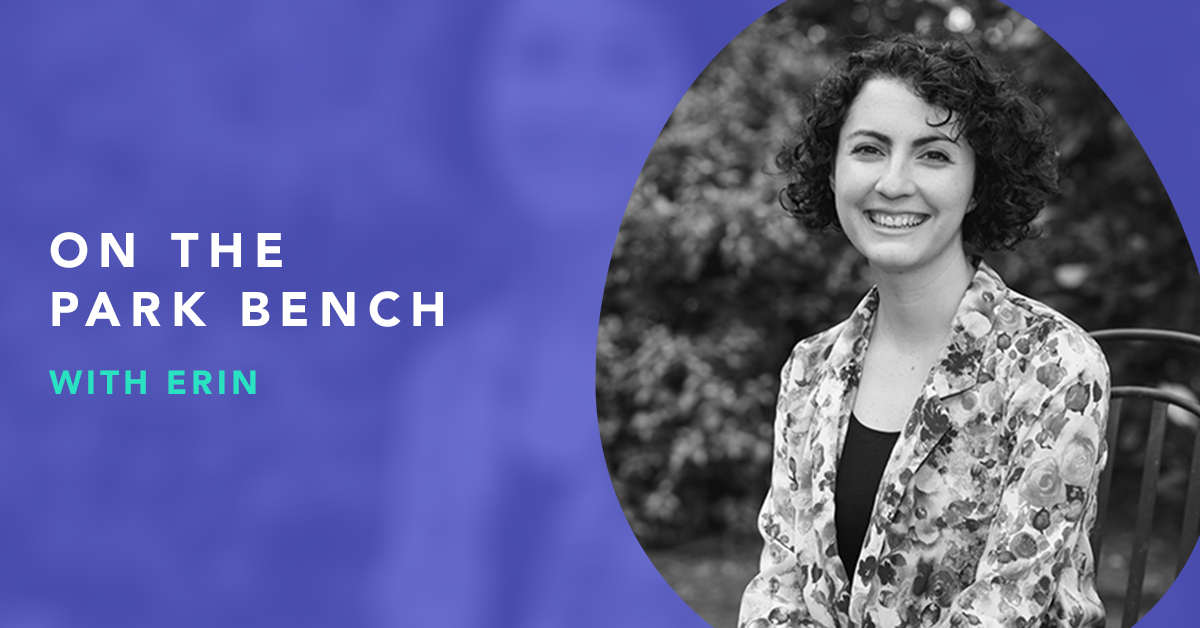 Erin G. kendini bildi bileli çocuklara bakıyor . Annesi evde kreş işletirdi ve çoğu gün okuldan eve, bebeklerle dolu bir eve gelirdi. Bu biçimlendirici deneyim, onu bir kamp danışmanı, bir sanat öğretmeni ve bir okul sonrası programda çocuklarla çalı
 -
 Arabayla yapılan doğum günü partilerinden sanal öğrenmeye kadar, ebeveynler ve çocuklar yeni, sosyal mesafeli bir dünyaya uyum sağlamanın yollarını buluyor. Bireysel okul bölgeleri, çevrimiçi, şahsen veya hibrit bir model aracılığıyla sınıfa geri dön