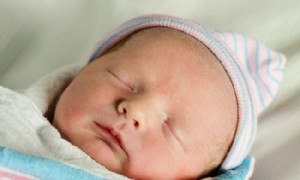

"Baby" Sıfat Olarak Kullanımı: Dilbilgisel Kalıplar ve Örnekler
"Baby" **nitelik isim** (sıfat görevi gören isim) veya **bileşik sıfatlarda** işlev görür. Nasıl çalıştığını inceleyelim.
Bağımsız Nitelik İsim
- Baby clothes — bebekler *için* kıyafetler
- Baby monitor — bebekler *için* monitör
- Baby steps — bebek *gibi* adımlar
- Baby face — bebek *gibi* yüz
Çoğul anlamda bile tekil form ("babies clothes" değil "baby clothes" — "shoe store" gibi, "shoes store" değil).
Bileşik Sıfatlar (Tireli)
- Baby-blue eyes / dress / paint — belirli soluk ton
- Baby-soft skin / blanket / fabric — doku karşılaştırması
- Baby-safe product / detergent / environment
- Baby-led weaning / feeding / play
- Baby-proof (fiil/sıfat) — bebekler için güvenli hale getirme
- Baby-sized portion / furniture / equipment
- Baby-faced — genç görünüm
Dilbilgisel Notlar
- Çoğul yok: "Baby clothes" not "babies clothes" (like "shoe store," not "shoes store")
- İsimden önce tire: "baby-blue dress" ama "the dress is baby blue"
- Vurgu deseni: **BÁ-by-blue** (bileşik) vs. **ba-BY blue** (isim + sıfat — nadir)
Cümle Örnekleri
- She wore a **baby-blue** cardigan. (renk)
- The **baby-sized** portions were perfect for the toddler. (boyut)
- We bought **baby-safe** cleaning products. (uygunluk)
- His **baby-faced** look got him carded at 30. (görünüm)
- The **baby-led** approach lets infants self-feed. (metodoloji)
Sıfat *Değil* Olduğunda...
- Yüklem adı: "She's a **baby**" (isim)
- Hitap: "Hey, **baby**" (hitap isim / sevgi sözcüğü)
- İyelik: "**Baby's** first tooth" (isim + 's)
İngilizce isim-isim bileşiklerini sever. "Baby" her ebeveynlik neslinde yeni terimler üreten en verimlilerden biridir.
-
 Her yeni okul yılı yeni zorluklar, yeni arkadaşlar, yeni öğretmenler ve yeni trendler getirir. Bu, hatta küçük çocuklar ve çocuklar için yeni bir saç modeli denemek için de bir zamandır. Eğer ilham almakta zorlanıyorsanız, anlıyoruz. Her zaman acele
-
 Hastalık Kontrol ve Önleme Merkezleri (CDC), sistemik ırkçılığı ve Amerikanların sağlığı üzerindeki etkisini combat etmek için büyük bir adım attı. Perşembe, 8 Nisanda yayınlanan bir bildiriyle, CDC direktörü Rochelle P. Walensky, ırkçılığın artık ci
-
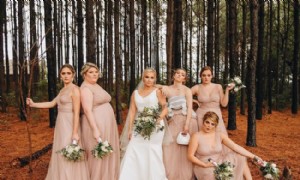 Tarihte en sakin geline alkışlayalım. Alabamada 28 yaşında hemşire Rachael Downs, Ekim 2019da evlendiğinde, binbaşı Allison Helperın fotoğraf çekimi sırasında süt saçlamasına iki kere düşünmedi - hatta bunu teşvik etti. Kızımı 18 ay emzirdim, Downs,